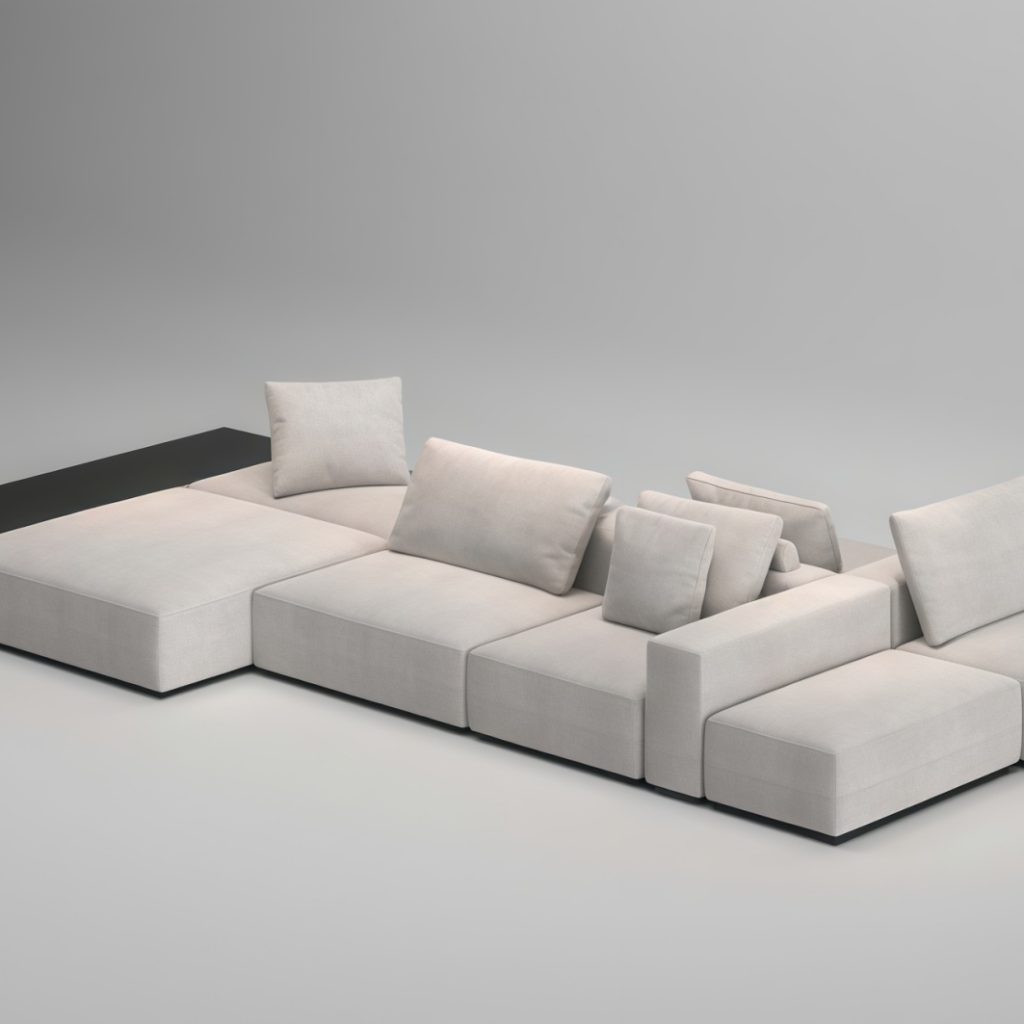
When comparing furniture, it is common to find products that look almost identical but come with very different prices. Two executive desks may share the same shape and walnut appearance. Two sofas may have similar proportions and upholstery colors. Two office chairs may appear to offer the same adjustments. Yet one quotation can be significantly higher than another. For buyers, this raises a reasonable question: if the furniture looks the same, what exactly are you paying for?
The answer often lies in details that product photographs cannot show. Internal construction, surface materials, finishing, hardware, customization, and the scope of the quotation can all affect the price.
At the same time, a higher price does not automatically mean better quality. The useful question is whether the difference reflects features, construction, or services that matter to your project.
This guide explains how to compare similar-looking furniture and understand where price differences come from.
1. A Photograph Shows the Design, but Only Part of the Product
Furniture photographs help buyers assess style, color, proportions, and how a product might fit an interior. They rarely provide enough information to judge construction. A desk with a woodgrain surface could be made from solid wood, natural veneer over an engineered substrate, or a printed decorative finish. From a distance, these options may appear similar. An upholstered sofa may conceal differences in its frame, suspension, foam, and cushion construction. A metal table base may look substantial while using different wall thicknesses or connection details from another product. Lighting, camera angles, and digital rendering can also affect the appearance of color, texture, and gloss.
This is why a photograph should be treated as the starting point for comparison. To understand the price, buyers need to know what the product is made from and how it is constructed.
A useful first step is to ask each supplier for a clear specification alongside the images
2. The Core Material Can Change the Cost
The material beneath the visible surface is one of the most important differences between similar-looking products. Common furniture substrates include MDF, particleboard, plywood, and solid wood. Each can be suitable for particular applications, but they have different manufacturing characteristics and costs. Even within the same category, there can be substantial differences. “Plywood” does not identify the wood species, layer quality, thickness, or adhesive system. “MDF” does not fully describe the panel grade or its suitability for a particular component. The amount of material used also matters. A thicker panel, additional reinforcement, or a more complex internal structure can increase production and shipping costs. However, more material is not always the best solution. Furniture needs a construction that suits its dimensions, loads, connections, and intended use.
For example, a large meeting table may need additional support to maintain stability across its span. A cabinet door has different requirements from a shelf holding heavy files. When comparing quotations, ask suppliers to identify the core material and thickness for the main components. This provides a much clearer basis for comparison than a general description such as “high-quality wooden furniture.”
3. Similar Woodgrain Can Come from Different Surfaces
A walnut appearance does not necessarily mean that a piece of furniture is made from walnut timber.
The visible surface might be:
- Solid walnut.
- Natural walnut veneer.
- Reconstituted wood veneer.
- Printed woodgrain laminate.
- Decorative paper or film.
These materials can all be used to create attractive furniture, but they involve different production methods and costs. Natural veneer requires selection and arrangement of wood sheets. Grain matching can involve additional labor and material allowance, especially across large tabletops or multiple cabinet doors. A printed decorative surface can provide a more consistent pattern across many units, which may be useful for a large office project. The best choice depends on the desired appearance and the practical requirements of the space. For an executive office, a buyer may value natural grain variation and carefully matched veneer. For a large workstation project, consistency and straightforward maintenance may take priority. A quotation should therefore identify the actual surface material. The words “walnut finish” describe an appearance, but they do not fully describe the product.
4. Finishing Quality Requires Time and Process Control
Two desks may both be described as having a painted or lacquered finish, yet the finished surfaces can feel and look different. The result depends on preparation, coating selection, application, sanding, curing, and inspection. A smooth finish requires attention before the final coat is applied. Uneven substrates, poorly prepared edges, or insufficient sanding can remain visible through the coating. High-gloss surfaces can be particularly demanding because reflected light makes imperfections easier to notice. Matte finishes also require control to maintain an even appearance across different components. Additional preparation and finishing work can increase labor costs. Defective parts may need to be refinished or replaced, which also affects production cost.
However, a description such as “multiple coats of paint” should not be treated as a complete measure of quality. The suitability of the coating system and the consistency of its application matter as well.
When comparing products, review a physical finish sample where possible. Look at the surface under different lighting conditions and check the edges as carefully as the main face.
For custom furniture, approving a sample before production creates a useful reference for both parties
5. Edge Details Can Reveal Differences in Workmanship
The edge of a desk or cabinet is a small part of the product, but it is one of the areas people touch most often.
Poorly finished edges can feel rough, show visible gaps, or create an uneven transition between the surface and the edging. Well-executed edges contribute to both the appearance and the everyday experience of the furniture.
Price differences may reflect:
- Different edging materials.
- More complex edge profiles.
- Careful color matching.
- Additional trimming and finishing.
- More demanding bonding processes.
- Solid wood edge details.
Curved or shaped edges can require more work than straight panels. A large desk with rounded corners may involve additional machining, surface preparation, and finishing. Buyers should examine close-up photographs or samples rather than rely only on full product images.
Check whether corners are neatly finished, whether the edging aligns with the surface, and whether the transition feels consistent.
These details help explain why two products with the same overall shape may have different manufacturing costs.
6. Internal Construction Affects Stability
Furniture must support its intended loads and remain stable during use. The visible design alone does not show how this is achieved. A desk may include an internal support frame, reinforcing members, brackets, or carefully positioned connections. A sofa may use a frame design and suspension system that differ from those in a similar-looking model.
These concealed components can affect material use, assembly time, and cost. The connections are just as important as the main materials. Screws, bolts, inserts, dowels, brackets, and traditional wooden joints need to suit the components they connect. For furniture that will be shipped and assembled on site, the design should also account for installation. Accessible connection points, suitable hardware, and clear instructions can make assembly more reliable. Where furniture may be moved or reassembled, replaceable connectors can be valuable.
When comparing prices, ask how large surfaces are supported, how the main components connect, and what assembly is required. These questions reveal more than simply asking whether the furniture is “strong.”
7. Metal Components Can Look Similar but Be Built Differently
Two table bases may have the same outline but use different metals, section sizes, thicknesses, and connection methods.
The cost of a metal component can be influenced by:
- The type and amount of metal.
- Cutting and forming requirements.
- Welding complexity.
- Grinding and preparation.
- Surface treatment.
- Assembly and inspection.
A decorative base with several angles may require more fabrication work than a simple straight frame. A polished exposed component may need additional finishing compared with a concealed structural part. Coating quality also depends on preparation and processing. A consistent visible finish does not happen simply because a particular coating has been specified. When inspecting metal furniture, examine the joints, mounting points, and underside. Check how the base connects to the tabletop and whether the finished product sits evenly. For large tables, base placement also affects usability. A visually attractive base may interfere with chairs or legroom if the design is poorly coordinated.
The right comparison therefore includes both construction and function.
8. Upholstery Price Depends on More Than Color
A sofa covered in beige upholstery can look very similar to another beige sofa in a photograph. The materials may nevertheless differ considerably. The cover might be natural leather, a synthetic upholstery material, or fabric. Each category includes many grades and specifications. Natural leather varies in processing, surface finish, appearance, and maintenance requirements. Synthetic upholstery varies in coating and backing construction. Fabric varies in fiber composition, weave, texture, and performance.
The amount of material used also affects the price. Some products use one material on the contact surfaces and another on the sides or back. For this reason, a description such as “leather sofa” needs clarification.
Useful questions include:
- What is the exact upholstery material?
- Which parts of the product use that material?
- Is a physical sample available?
- What cleaning method is recommended?
- Are relevant performance reports available?
Material selection should reflect the intended setting. Seating in a busy reception area may have different requirements from seating in a private office.
A higher-cost upholstery option is valuable only when its appearance, feel, or performance suits the project.
9. Cushion Construction Changes the Sitting Experience
Seating comfort is difficult to judge from photographs. Two sofas with the same dimensions may feel different because of their foam, cushion layers, suspension, seat depth, and back angle. Foam density and firmness are separate characteristics. A specification that provides only one of them does not fully explain the sitting experience. Some seats combine different cushioning materials or layers to create a particular feel. Cushion shape and upholstery tension also influence comfort.
These choices affect production cost, but the most expensive combination is not necessarily the most comfortable for every user. A lounge sofa designed for relaxed sitting has different requirements from a meeting chair intended for an upright posture.
For important seating purchases, testing a sample is useful. Sit in the product for more than a brief moment and consider how it supports the body in the intended activity. If an in-person test is not possible, request detailed construction information, dimensions, and videos that show how the cushions respond during use.
10. Hardware Influences Daily Convenience
Hardware is easy to overlook during a visual comparison, but it is used repeatedly.
Drawer slides, hinges, locks, adjustable feet, and desk mechanisms can affect how furniture functions.
Price differences may reflect changes in:
- Load capacity.
- Movement and adjustment.
- Closing behavior.
- Installation requirements.
- Replaceability.
- The scope of supplied accessories.
A drawer that opens smoothly in a showroom should also suit the weight it will carry in use. A cabinet hinge needs to be appropriate for the door dimensions and construction. For height-adjustable desks, buyers should review the complete system rather than compare only the tabletop and legs. Relevant details can include the adjustment range, controls, stated load capacity, and service arrangements. Cable management can also change the quotation. A basic opening in the tabletop differs from an integrated cable tray, access panel, or specified power module.
Accessories should be listed clearly so that the buyer knows what is included.
11. Customization Can Add More Than Material Cost
Changing a product’s size may appear simple, but it can require more than adjusting the dimensions in a drawing.
A larger tabletop may need additional support. A smaller curved sofa may require changes to its proportions and frame. A reception desk with a new shape may need different tooling or production methods.
Customization can involve:
- Drawing preparation.
- Construction review.
- New cutting patterns.
- Additional setup.
- Special material sourcing.
- Samples or prototypes.
- Changes to packaging.
A custom color may also require a separate finishing run. Matching several products to one approved finish can involve additional coordination. The cost depends partly on quantity. Setup work spread across many identical units affects the unit price differently from the same work required for a single piece. When requesting customization, provide the dimensions, intended use, quantity, and any essential details together. This helps the supplier assess the request accurately.
An approved drawing should confirm the final design before production begins.
Making a More Confident Furniture Decision
Similar-looking furniture can have different prices because the visible design represents only part of the finished product.
Materials, construction, finishes, hardware, customization, packaging, and service scope all contribute to cost. Understanding those elements makes it easier to compare quotations fairly.
At Carrie Furniture, we encourage clients to discuss the space, intended use, dimensions, and preferred finishes together. These details help establish a clear specification and identify where the budget will have the greatest practical value.
When reviewing your next furniture quotation, look beyond the photograph. Ask what is included, request clarification on the construction, and compare the details that matter to your project.
A well-informed purchase starts with understanding exactly what you are paying for.