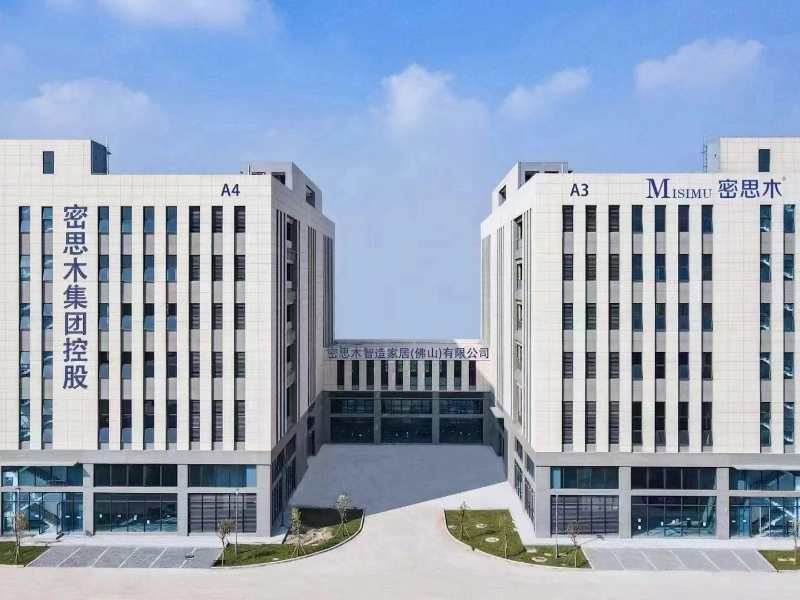
After manufacturing and supplying office furniture to 60 countries across five continents, one truth has become unmistakably clear: a modern executive office desk is never just a desk. It is a cultural artifact—a physical expression of how business is conducted, how authority is perceived, and how work happens in that society.
The same desk design that signals success in Shanghai may feel uncomfortably ostentatious in Stockholm. The configuration that maximizes productivity in New York might frustrate executives in Tokyo. As a global office furniture manufacturer with decades of export experience, we’ve learned that understanding these cultural nuances is essential—not just for selling furniture, but for ensuring our clients’ executives feel truly at home in their workspaces.
In this article, we draw on real-world experience from six continents to explore how office culture shapes the selection of the modern executive office desk—and what procurement professionals should consider when furnishing international locations.
Why Culture Matters in Executive Desk Selection
The Desk as a Status Symbol
In every culture, the executive desk communicates something about power and position. However, what constitutes “appropriate authority” varies dramatically:
| Cultural Dimension | Low-Context Cultures (e.g., USA, Germany) | High-Context Cultures (e.g., Japan, Arab World) |
| Desk Size | Larger signals higher status | Size matters, but placement and materials also carry meaning |
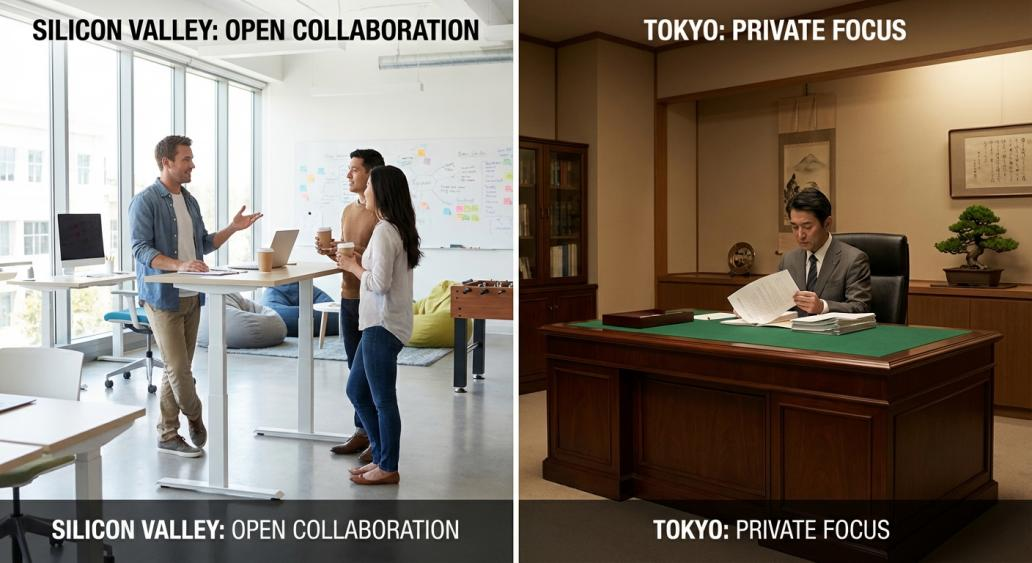
| Barrier vs. Bridge | Desks often create boundaries | Desks may be positioned to facilitate side-by-side discussion |
| Material Message | Quality and functionality dominate | Wood species, grain patterns, and origin convey status |
Work Style Variations
How executives actually work differs by region:
Individual vs. Collaborative: In Northern Europe, even C-suite executives may spend significant time in open areas; the modern executive office desk serves as a home base rather than a command center
Paper vs. Digital: In rapidly developing economies, executives may still review physical documents, requiring larger worksurfaces and integrated filing
Meeting Patterns: Some cultures conduct most business in formal conference rooms; others prefer executives to receive visitors at their desk.
Regional Deep Dives – How 60 Countries Shape Desk Design
North America: Size, Technology, and Personalization
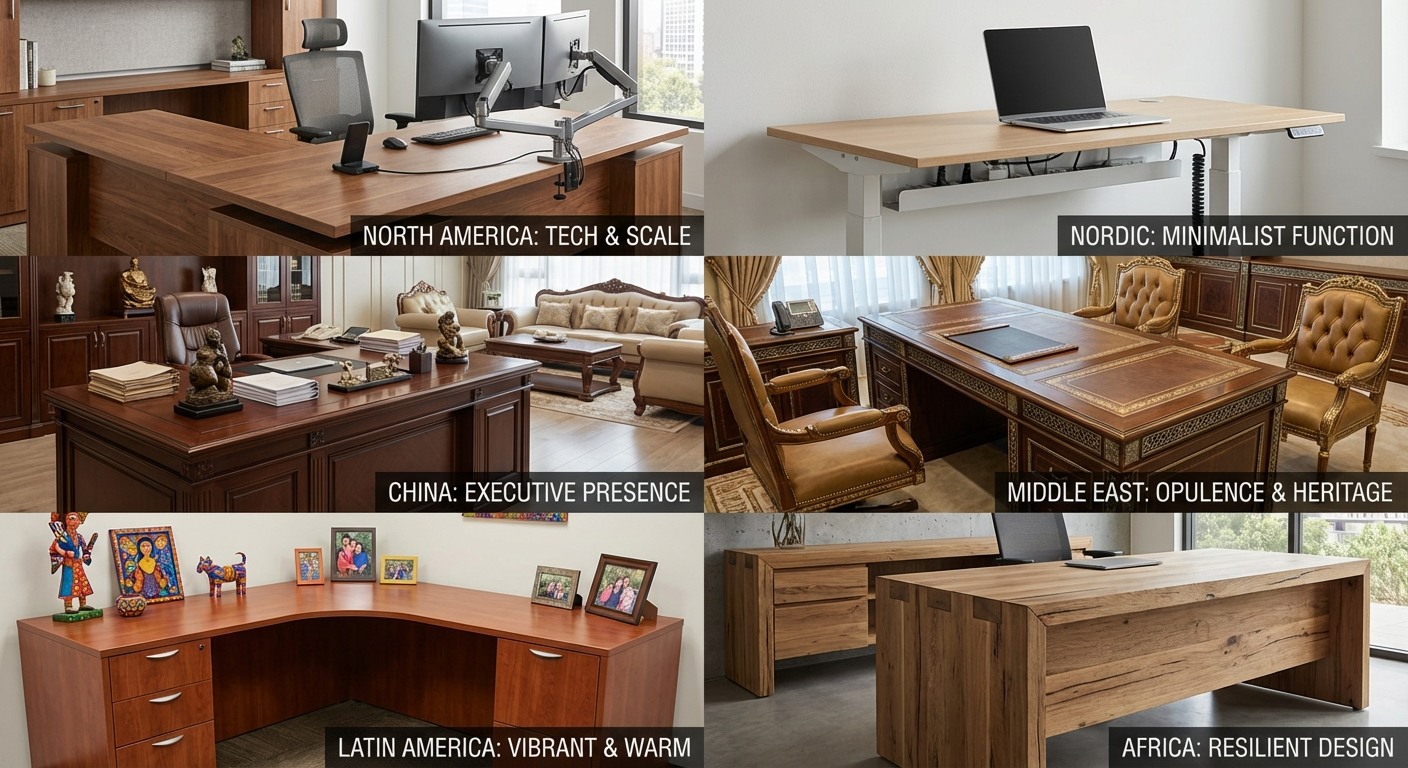
The United States and Canada
The American modern executive office desk tends toward the substantial. After furnishing thousands of North American executive suites, we’ve observed:
Scale Matters: Desks measuring 72″×36″ or larger are standard; corner offices demand expansive L-shaped configurations
Technology Integration: Cable management isn’t optional—it’s expected. Power and data access must be seamless
Personalization: Executives want options: wood species, finish colors, hardware styles. The desk should reflect individual taste within corporate parameters
Privacy + Presence: While private offices remain common, the desk often faces the door, allowing executives to see visitors approaching
Key Design Features for North America:
Generous worksurface depth (30″+) for multiple monitors
Integrated power grommets and cable channels
Wide range of finish options (cherry, walnut, maple, mahogany)
Credenzas and hutches for additional storage
Western Europe: Minimalism, Sustainability, and Craftsmanship
Germany, France, UK, Scandinavia
European executive offices often reflect deeper cultural values around work-life balance and environmental responsibility. Our experience supplying modern executive office desk solutions across Europe reveals:
Understated Elegance: In Scandinavia and Germany, ostentation is avoided. Clean lines, light woods (oak, ash), and minimalist designs prevail
Sustainability as Standard: FSC certification, low-VOC finishes, and recyclable materials are baseline requirements, not premiums
Historic Sensitivity: In the UK and France, executive desks in heritage buildings must harmonize with period architecture—contemporary designs that respect context
Compact Efficiency: European offices tend to be smaller; desks must maximize function within modest footprints
Key Design Features for Western Europe:
Sustainable materials with certification documentation
Modular components for flexible configuration
Sit-stand mechanisms increasingly expected
Refined detailing (reveal edges, concealed storage)
Asia Pacific: Hierarchy, Harmony, and Hospitality
China, Japan, Singapore, Australia
Asia represents our largest export region, and the diversity within it is remarkable. However, certain patterns emerge in modern executive office desk preferences:
China and Greater China:
Symbolic Materials: Darker woods (walnut, wenge) signify authority and stability. Traditional motifs may be subtly incorporated
Meeting Integration: Desks often include auxiliary seating areas or small meeting tables within the office
Feng Shui Considerations: Placement is critical—desks should face the door but not align directly with it; corners should be rounded
Generosity: Larger-than-necessary desks signal the company’s success and the executive’s importance
Japan:
Precision and Order: Every detail matters. Drawer organization systems, perfectly aligned grain patterns, flawless joinery
Minimalist Aesthetic: Clutter is avoided; integrated storage keeps surfaces clear
Respect for Tradition: While embracing contemporary design, subtle references to Japanese craft (shoji screens, tatami proportions) appear
Southeast Asia and Australia:
Indoor-Outdoor Connection: In tropical climates, desks may use lighter materials and colors that reflect heat
Relaxed Formality: Australian executive offices tend toward approachable designs—quality without pretension
Key Design Features for Asia Pacific:
Dark wood options for China; light wood for Japan/Australia
Integrated meeting areas within executive suites
Precision engineering and flawless finishing
Feng Shui-compatible configurations
Middle East: Hospitality, Grandeur, and Privacy
UAE, Saudi Arabia, Qatar
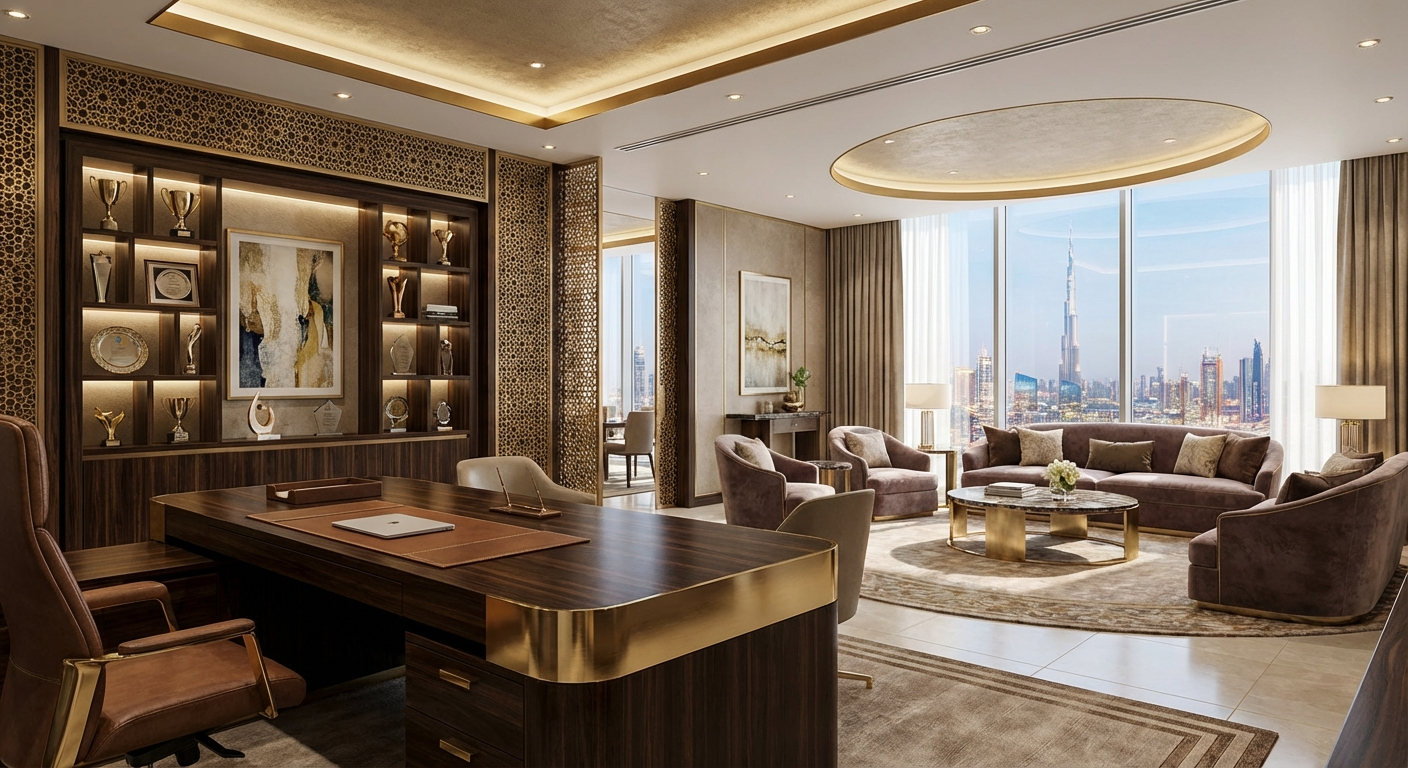
In the Gulf region, the executive office serves multiple functions: workspace, reception area for important guests, and symbol of corporate standing. Our modern executive office desk designs for this region emphasize:
Generous Proportions: Desks are often custom-sized to fill substantial offices; 84″ widths are common
Rich Materials: Burled wood, inlaid leather tops, metal accents (brass, chrome) create visual richness
Guest Seating Integration: Executive offices typically include formal seating areas; the desk must coordinate with these furnishings
Privacy with Presence: While offices are private, they often feature glass walls or windows that showcase the interior to visitors
Key Design Features for the Middle East:
Premium materials with visible craftsmanship
Larger-than-standard dimensions
Integrated technology for video conferencing
Coordination with full office suite furnishings
Latin America: Color, Warmth, and Expressive Design
Brazil, Mexico, Colombia
Latin American executive offices reflect the region’s warmth and expressiveness. Our experience supplying modern executive office desk solutions throughout Latin America shows:
Color Confidence: While neutral palettes dominate globally, Latin American clients embrace richer tones and accent colors
Curvilinear Forms: Soft curves and organic shapes appear more frequently than rigid geometry
Family Culture: Executive offices may display personal photos and artifacts; desks should accommodate personalization
Craft Appreciation: Visible craftsmanship—hand-finishing, detailed joinery—is valued and noticed
Key Design Features for Latin America:
Warm wood tones (cherry, mahogany)
Curved or shaped desk fronts
Finishes that accept personalization
Robust construction for varied climates
Africa: Emerging Markets, Modern Ambition
South Africa, Nigeria, Kenya
Across Africa’s rapidly developing business centers, the modern executive office desk symbolizes progress and professionalism. Key observations:
Contemporary Statements: Executives often prefer designs that look forward—clean lines, innovative materials, technological integration
Durability Priority: Infrastructure challenges (power fluctuations, humidity) demand robust construction
Local Materials: Growing interest in indigenous woods and locally-sourced materials
Scalable Solutions: As companies grow rapidly, furniture must adapt to changing needs
Key Design Features for Africa:
Robust construction with stable joinery
Advanced cable management for backup power systems
Options incorporating local materials
Modular designs that accommodate growth
Section 3: Universal Requirements – What Every Global Executive Needs
Despite cultural differences, certain features appear in successful modern executive office desk designs worldwide:
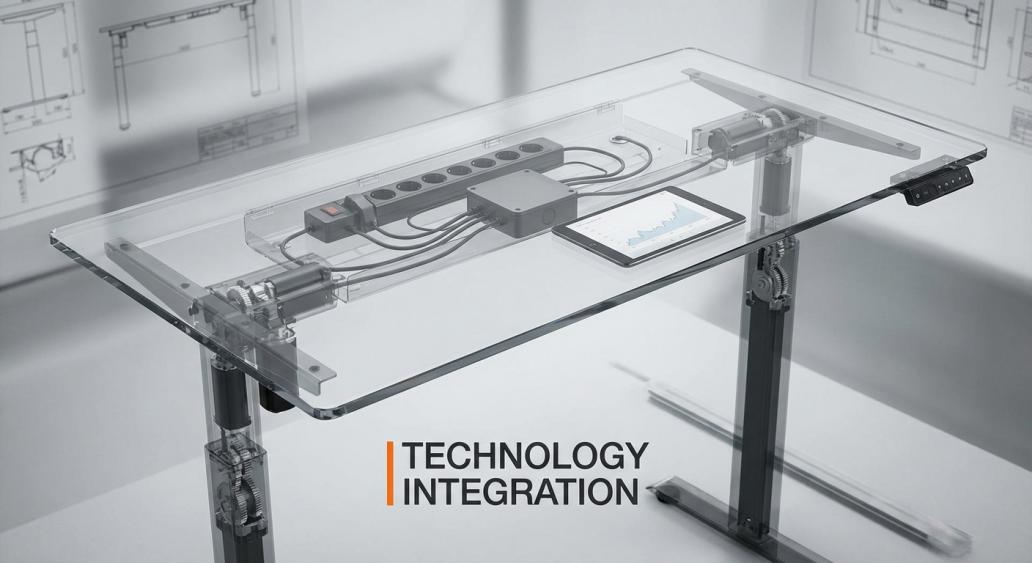
Technology Readiness
No region accepts inadequate technology integration. Every desk must provide:
Access to power and data at worksurface height
Cable management that conceals wiring without restricting access
Compatibility with multiple monitor arms and peripherals
Provisions for video conferencing equipment
Ergonomics and Wellbeing
The global focus on executive health means:
Sit-stand capabilities increasingly expected
Proper sightlines for monitor placement
Chair compatibility with correct ergonomic positioning
Reduced VOC emissions for indoor air quality
Flexibility and Adaptability
As business needs evolve, desks must:
Accommodate changing technology
Allow for reconfiguration within the office
Integrate with other furnishings (credenzas, bookcases, meeting tables)
Support both focused work and collaborative discussion
Our Global Experience – 60 Countries, One Standard of Excellence
Having supplied modern executive office desk solutions to clients across 60 countries, we’ve developed capabilities that set us apart:
Cultural Intelligence in Design
Our design team doesn’t just draw furniture—they study how executives work in different regions. Before proposing solutions, we consider:
Local business etiquette and hierarchy
Typical office layouts and building constraints
Regional material preferences and symbolism
Climate and environmental factors
Manufacturing Flexibility
With 60 countries served, we maintain:
Material Diversity: Inventory of region-preferred woods and finishes
Size Adaptability: Tooling that accommodates non-standard dimensions
Packaging Expertise: Climate-appropriate packaging for tropical, arid, or cold destinations
Logistics and Support
Our global supply chain ensures:
Reliable shipping to any port worldwide
Clear communication in multiple languages
Installation documentation adapted to local practices
After-sales support that respects time zones
Case Studies – Real Projects, Real Cultures
Case Study 1: Technology HQ in Silicon Valley
Requirement: 50 modern executive office desks for C-suite and VPs
Cultural Factors: Open-door culture, intense technology use, sustainability focus
Solution: Sit-stand desks in sustainable American walnut, integrated power with wireless charging, minimalist design with generous worksurface
Case Study 2: Law Firm in Tokyo
Requirement: Partner offices with traditional Japanese aesthetic
Cultural Factors: Precision expectations, hierarchy respect, paper-intensive work
Solution: Dark-stained oak desks with meticulous joinery, integrated filing, subtle shoji-inspired details, flawless finishing
Bank Headquarters in Dubai
Requirement: Chairman and CEO suites in new financial center
Cultural Factors: Hospitality focus, visible status, international visitors
Solution: Extra-large desks in figured walnut with leather inlay, integrated meeting area, gold-toned hardware, full suite coordination
Advertising Agency in São Paulo
Requirement: Creative director offices reflecting agency brand
Cultural Factors: Expressive design, color confidence, collaborative culture
Solution: Curved desks in warm cherry with painted accents, mobile elements for reconfiguration, space for client meetings within office
How to Select the Right Modern Executive Office Desk for Your Global Organization
For Procurement Professionals
When sourcing for multinational companies:
1.Develop Regional Specifications: Create core specifications with regional options for materials, sizes, and features
2.Partner with Experienced Manufacturers: Choose suppliers with demonstrated cross-cultural experience
3.Request Cultural Consultation: Ask manufacturers to advise on region-appropriate designs
4.Plan for Lead Times: Allow additional time for culturally-specific customizations
For Interior Designers
When specifying executive furniture across borders:
1.Research Local Business Culture: Understand how executives actually work in each location
2.Consider Symbolism: Colors, materials, and configurations carry different meanings
3.Balance Global Brand with Local Relevance: Maintain corporate identity while respecting cultural norms
4.Verify Dimensions: Standard sizes vary; confirm doorway access and office dimensions
For Executives Themselves
If you’re selecting your own modern executive office desk in a new country:
1.Observe Local Norms: Notice how successful peers in your industry furnish their offices
2.Communicate Your Work Style: Be clear about how you actually work—technology needs, paper volume, meeting patterns
3.Consider Long-Term: Choose quality that will serve you through role changes and office moves
4.Trust Experienced Providers: Work with manufacturers who understand both your culture and your new location
Our Promise – 60 Countries of Experience, Ready for Yours
When you work with us, you’re not just buying a modern executive office desk. You’re accessing:
Six Continents of Insight: Lessons learned from thousands of installations worldwide
Culturally-Intelligent Design: Solutions that respect local norms while maintaining global quality
Manufacturing Excellence: One standard of craftsmanship, adaptable to any requirement
Logistical Reliability: Proven systems for shipping anywhere on earth
Whether you’re furnishing headquarters in Hong Kong, regional offices in Riyadh, or executive suites in New York, we bring the experience of 60 countries to your project.
The Desk That Crosses Borders
The modern executive office desk is more than furniture—it’s a bridge between corporate culture and individual work style, between global standards and local expectations, between tradition and innovation.
After 60 countries, we’ve learned that the best executive desks share one quality: they make their users feel understood. The dimensions feel right. The materials resonate. The details work. The desk becomes not just a place to work, but a space that supports how that executive—in that culture, in that role—does their best work.
That’s the desk we build. For any country. For any executive.
Contact Our Global Team
Ready to discuss your next project? Our international sales team speaks your language—literally and culturally.